# The History of Perfume and Fragrance: A Journey Through Time ## Introduction Perfume and fragrance have played a profound role in human history, serving not only as personal adornments but also...
Curating knowledge from across disciplines to enlighten and inspire. Each article is crafted with care to make complex topics accessible and engaging.
Discover how best history books transforms 12 books every history buff should read at least once. Dive deeper into the details.
# The Samurai: Guardians of Honor and Warriors of Japan The image of the samurai conjures visions of disciplined warriors clad in ornate armor, wielding katanas, and upholding principles of honor and...
Rosie the Riveter, Uncle Sam, wartime posters from all sides—the visual propaganda art that mobilized nations during WWII.
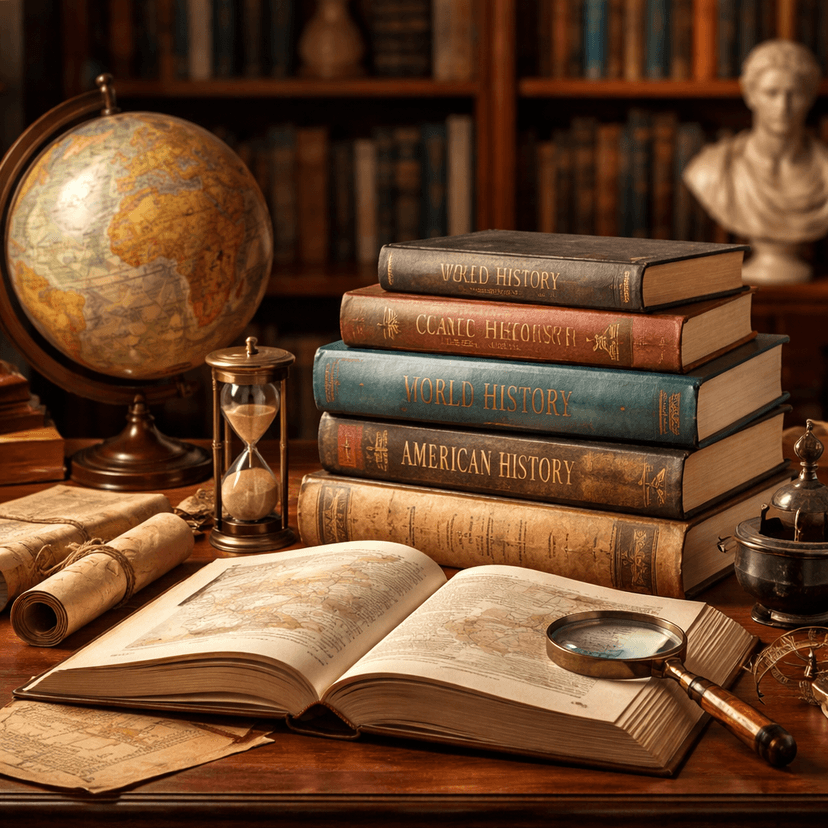
Looking for the best best history books? Our comprehensive guide covers everything you need to know about best history books.
This comprehensive analysis explores not only the historical development but also the cultural significance throughout human history, technological innovation similar to other transformative technologiess, and broader societal implications that have shaped this fascinating subject throughout human history.
Perfume and fragrance have played a profound role in human history, serving not only as personal adornments but also as symbols of spirituality, status, and cultural practices. From ancient civilizations to modern perfumery, the development and appreciation of scents have evolved dramatically. This article explores the rich tapestry of perfume history, tracing its origins, development of techniques, iconic scents, and the cultural significance of fragrances across various societies.
The use of aromatic substances can be traced back to prehistoric times when our ancestors likely burned resins and herbs for their fragrant smoke. However, the first systematic practice of perfumery emerged in ancient civilizations such as Mesopotamia, Egypt, and the Indus Valley.
In Mesopotamia (modern-day Iraq), perfume-making was intricately tied to religious rituals and daily life. The Sumerians developed early recipes for various perfumes, utilizing local plants, spices, and resins. Texts from around 2000 BCE describe the use of ingredients like cedar, myrrh, and juniper. The Sumerians believed that scent had direct ties to the divine, using perfume in offerings to their gods.
Ancient Egyptians took perfumery to new heights, using fragrances in both religious ceremonies and personal grooming. The Egyptians developed complex methods of extraction, including maceration and distillation. They utilized substances like frankincense, myrrh, cinnamon, and lotus petals, integrating these aromatic compounds into oils and ointments.
Perfume was a vital part of funerary practices, meant to honor the deceased and provide them with comfort in the afterlife. The famous Pharaohs, including Cleopatra, were known for their extravagant use of fragrance, signifying power and sophistication.
Dating back to 2500 BCE, the Indus Valley Civilization (present-day Pakistan and northwest India) also embraced aromatic practices. Archaeological findings suggest evidence of incense, possibly made from spices and essential oils. Perfumes in this society were associated with spiritual rituals and were mentioned in ancient texts like the Vedas, where scent had a significant role in offerings to deities. Furthermore, this development had far-reaching consequences that extended beyond its immediate context, influencing subsequent innovations and shaping our modern understanding.
In ancient China, perfumes were used primarily for medicinal and ceremonial purposes. The writings of Confucius suggest that fragrance was an essential part of etiquette and social customs. By the Han Dynasty (206 BCE – 220 CE), the art of perfumery advanced, with increasingly sophisticated formulations and usages, including the promotion of health and wellbeing with aromatic herbs.
The Greeks and Romans further developed the art of fragrance. The use of perfumes among Greek nobility became emblematic of wealth and sophistication, and philosophers like Aristotle wrote about the nature of scent.
In Rome, perfumes were widely used by both men and women as personal luxury items. The famous Roman physician Galen wrote treatises on the effects of different scents, while perfumers known as "unguentarii" established trade practices that would influence European perfumery for centuries.
The earliest methods of perfume extraction involved simple processes, such as steeping plants in oils or wine to capture their scents. However, by the Middle Ages, significant advancements had been made: Furthermore, this development had far-reaching consequences that extended beyond its immediate context, influencing subsequent innovations and shaping our modern understanding.
The invention and refinement of steam distillation in the 9th century by the Persian physician Ibn Sina (Avicenna) revolutionized perfumery. This method allowed for the extraction of essential oils from flowers and plants without heat damage, preserving their aromatic properties. Furthermore, this development had far-reaching consequences that extended beyond its immediate context, influencing subsequent innovations and shaping our modern understanding.
The arrival of the Renaissance in Europe fostered a renewed interest in scents. The decline of the bubonic plague made perfumes popular for masking odors, leading to heavy demand. Cities like Grasse, France, emerged as the epicenter of perfume production. Furthermore, this development had far-reaching consequences that extended beyond its immediate context, influencing subsequent innovations and shaping our modern understanding.
The art of blending various notes to create balanced fragrances became a hallmark of perfumery. French perfumers began experimenting with accord compositions, introducing concepts of top, middle, and base notes that form the backbone of modern fragrances.
The 19th century heralded the age of chemistry, leading to the development of synthetic ingredients. Compounds like vanillin, coumarin, and various flower acetates allowed perfumers to create scents that were previously unattainable through natural means. This opened new horizons for fragrance complexity.
The early 20th century saw the emergence of luxury brands and haute parfumerie, with iconic creations like Chanel No. 5, which launched in 1921, setting the tone for modern perfumery. This era established the practice of branding, marketing, and signature scents, fostering the relationship between fashion and fragrance. Furthermore, this development had far-reaching consequences that extended beyond its immediate context, influencing subsequent innovations and shaping our modern understanding.
Many perfumes have become legends, shaping the history of scent:
Kyphi was a sacred Egyptian fragrance made from an intricate blend of ingredients, including myrrh, frankincense, and wine. It was often used in religious rituals and is regarded as the world's first perfume.
Created by Giovanni Maria Farina in 1709, Eau de Cologne became a benchmark for fragrance. Its citrus-based aroma captured the essence of Italian sunshine, representing freshness and purity. Furthermore, this development had far-reaching consequences that extended beyond its immediate context, influencing subsequent innovations and shaping our modern understanding.
A groundbreaking scent introduced by Aimé Guerlain in 1889, Jicky is often considered the first modern fragrance. It was one of the first perfumes to incorporate synthetic materials alongside natural ingredients, influencing countless future creations. Furthermore, this development had far-reaching consequences that extended beyond its immediate context, influencing subsequent innovations and shaping our modern understanding.
Released in 1921, Chanel No. 5 redefined femininity and became an instant classic, featuring notes of jasmine, rose, and aldehydes. Its marketing and celebrity endorsements solidified its status as a cultural icon.
Launched in 2001, Light Blue represents modern perfumery's focus on simplicity and freshness. It captures the essence of summer with its fruity-floral composition, becoming a best-seller worldwide.
Throughout human history, scents have held deep spiritual meanings across different cultures, from incense in Christian and Buddhist rituals to myrrh and frankincense in ancient Egyptian practices. The incorporation of scent into worship has been believed to transcend earthly realms, providing a path to divine communication.
Fragrance has long been associated with identity and social status. In many cultures, wearing perfume signifies wealth and refinement. In the Middle Ages, the nobility used distinct fragrances to signify their rank, a practice that continued to modern times with exclusive brands and haute couture fragrances.
Cultural practices involving scent vary widely. For instance, in many Asian cultures, the burning of incense is a common practice in homes, reflecting spirituality and creating a serene environment. In contrast, the Western world often associates scents with aromatherapy, emphasizing emotional and physical wellbeing. Furthermore, this development had far-reaching consequences that extended beyond its immediate context, influencing subsequent innovations and shaping our modern understanding.
Throughout history, societal norms have shaped perceptions of fragrance and gender. Perfume marketing has focused on traditional gender identities with florals for women signifying femininity and woods or leather for men symbolizing masculinity. Contemporary discussions are redefining these boundaries, celebrating gender fluidity in scent.
Research indicates that scent is strongly linked to memory and emotions. Cultural anecdotes demonstrate how scents evoke memories or communal feelings. In many societies, the smell of baked bread or roasted meat can conjure memories of family gatherings, while traditional scents associated with festivals and rituals can evoke feelings of belonging and nostalgia.
The history of perfume and fragrance is a rich and intricate narrative that encapsulates human creativity, spirituality, and connection. From ancient civilizations to contemporary perfumeries, the journey of scent reflects societal transformations, technological advancements, and cultural significance. As we move into the future, perfume continues to evolve, blending tradition with innovation, while still holding an irreplaceable place in human expression. The language of scent remains deeply woven into the fabric of life, transcending borders and connecting people across cultures. Each bottle encapsulates history, memory, and emotion, ensuring that the essence of perfume will forever be a cherished aspect of the human experience.
Looking ahead, the continued evolution of this field promises exciting developments. As technology advances and our understanding deepens, we can expect innovations that build upon historical foundations while pushing boundaries in unprecedented directions. The interplay between tradition and innovation will shape future developments, ensuring continued relevance and impact.
The lessons learned from historical developments inform contemporary approaches and future strategies. By understanding the past, we can better navigate present challenges and anticipate future opportunities. This ongoing dialogue between history and innovation ensures that progress remains grounded in wisdom while reaching for new possibilities.
As we move forward, the importance of this subject will only grow, touching more lives and influencing more aspects of society. The commitment to understanding, preserving, and advancing knowledge in this area represents an investment in our collective future, ensuring that coming generations inherit both wisdom from the past and tools for creating the future.
